
August used to be a large month for WordPress. WordPress 7 ...
A pal just lately requested me, “Must I take advantage of WordPress or Django for my new web site?” It’s a perfect query, and a commonplace one. Choosing the proper content material control device (CMS) can form all your on-line revel in.
Whilst WordPress has all the time been my go-to for development web pages, I’ve frolicked exploring Django CMS as neatly. I’ve helped others come to a decision between the 2, and I’ve even examined Django on a couple of private tasks simply to peer the way it stacks up.
On this publish, I’ll proportion what I’ve realized from each platforms—their unexpected strengths, their obstacles, and why WordPress nonetheless comes out on best for growing web pages.
Whether or not you’re launching a weblog, a trade website, or one thing extra advanced, this side-by-side comparability will will let you work out which CMS suits your wishes easiest.
WordPress vs. Django CMS: A Temporary Review
Each WordPress and Django CMS are robust content material control programs (CMS), however they’re designed for other kinds of duties.
I’ve created a handy guide a rough comparability desk under that will help you perceive the primary variations. It explains the important thing options of WordPress and Django CMS side-by-side:
| WordPress | Django CMS | |
|---|---|---|
| 🎯 Function | Running a blog, basic web pages | Developer-friendly, advanced enterprises |
| ⚙️ Generation | PHP, MySQL | Python, Django framework |
| 🤹 Ease of Use | Very user-friendly | Steep finding out curve |
| 🔧 Customization | Topics, plugins (PHP) | Python code, Django apps |
| 🛍 eCommerce | Calls for a loose plugin like WooCommerce or Simple Virtual Downloads | Calls for further device like Oscar Trade or Saleor |
| 🔒 Safety | Calls for common updates, safety plugins | Sturdy safety basis out of the field |
| 📈 Scalability | Scalable with optimization | Extremely scalable |
| 👥 Neighborhood | Massive, very vast | Small, developer-focused |
| 👤 Goal Consumer | Non-developers | Builders |
Within the sections that practice, I’ll dive deeper into every of those issues and lend a hand making a decision whether or not WordPress or Django CMS is the suitable selection in your mission.
How I In comparison WordPress vs. Django CMS
I sought after to ensure this comparability used to be as thorough and truthful as conceivable, so I didn’t simply depend on spec sheets and advertising brochures. So, I dug deep, the usage of my very own revel in and analysis.
Right here’s how I approached it:
- Actual-International Initiatives: I’ve constructed numerous web pages with WordPress, from easy blogs to advanced eCommerce retail outlets. I’ve observed firsthand what it could actually do (and what it could actually’t). I additionally arrange a check atmosphere for Django CMS so I may just check out the whole lot out myself.
- Palms-on Trying out: I didn’t simply learn in regards to the options, I in reality used them. I carried out commonplace duties like growing pages, including photographs, and putting in plugins. This gave me an actual really feel for the way every platform works in observe.
- Function Comparability: I in comparison the core options of every platform, together with ease of use, customization choices, safety, scalability, and content material control functions.
- Discovering the Proper Have compatibility: I thought to be other mission sorts and known the best use instances for every platform. As an example, a small trade web site has other wishes than a big endeavor platform.
- Assets and Effort: I factored within the finding out curve, construction time, and ongoing upkeep required for every platform. This is helping the actual price of possession.
- Rising with Your Mission: A content material control device must have the ability to develop with your online business. I checked out how simple it’s to get began with every platform and the way neatly they take care of expanding complexity as your web site grows.
Why Consider WPBeginner?
We’ve been development web pages with WordPress for over a decade and feature observed it evolve from a easy running a blog platform to the powerhouse it’s these days. We’ve used it to create the whole lot from small trade web pages to very large on-line retail outlets, together with this website, WPBeginner.
Whilst we’re giant enthusiasts of WordPress, we additionally stay an in depth eye on different platforms like Django CMS. We’ve even experimented with it on private tasks to know its strengths and weaknesses firsthand.
Our objective right here isn’t to promote you on one platform or the opposite. It’s to come up with a good, impartial comparability in line with our real-world revel in. We’ll proportion the nice, the unhealthy, and the unpleasant so you’ll be able to make the most productive determination in your explicit wishes.
Need to be informed extra about how we take care of accuracy and integrity right here at WPBeginner? Take a look at our detailed editorial tips.
Since I’m going to enter a large number of element in my comparability of WordPress vs. Django CMS, it’s possible you’ll need to use this desk of contents to temporarily navigate the item:
Review: WordPress vs. Django CMS
Opting for a content material control device (CMS) is like laying the root in your web site.
WordPress and Django CMS are each robust gear, however they’re designed for other kinds of tasks. Selecting the correct one from the beginning can prevent complications (and doubtlessly some huge cash) down the street.
I consider after I first began development web pages, I attempted the whole lot from hand-coding HTML to the usage of clunky web site developers. Then I found out WordPress, and I in an instant knew that it used to be what I used to be searching for.
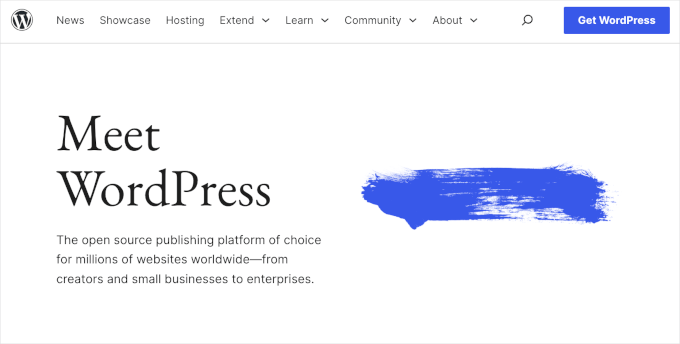
All at once, I may just construct gorgeous, practical web pages without having a pc science level. I’ve used it for the whole lot from easy blogs to advanced eCommerce websites.
So, what is WordPress, anyway? It’s the most well liked web site builder and CMS on this planet, powering over 43% of the internet. It’s loose, open-source, and extremely flexible. Plus, there’s a large group of customers and builders in a position that will help you out.
Getting began is a breeze, particularly with one-click installs presented via hosts like Bluehost and Hostinger (I’ve used each, and so they make it tremendous simple).
As my tasks were given extra advanced, I began listening to about Django CMS. It’s a favourite amongst builders who need extra flexibility and keep watch over. I even attempted the usage of it for a private mission, and it used to be an absolutely other revel in.
Call to mind it as development a area from scratch. With Django, you’ve got whole keep watch over over each and every element, nevertheless it calls for much more technical expertise.
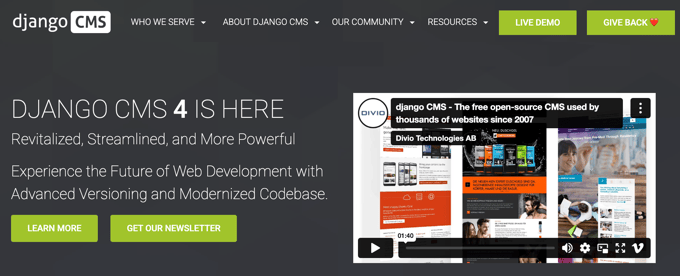
Django CMS is constructed with Django, a formidable framework that makes use of the Python programming language.
This is a set of gear and libraries that offer a basis for development internet programs. It’s additionally loose and open-source, nevertheless it’s without a doubt geared in opposition to builders.
You’ll wish to be pleased with coding and server management to get probably the most out of it. It’s very best for enormous, advanced tasks that call for a excessive stage of customization and scalability.
Now that you’ve a fundamental figuring out of each platforms, let’s dive deeper into the important thing variations between WordPress and Django CMS.
Ease of Use: Which CMS is More uncomplicated to Be told?
Ease of use is a large fear for lots of web site developers. You’re most certainly searching for a platform that’s easy to navigate with out prior technical experience.
Let’s see how WordPress and Django CMS examine on the subject of user-friendliness.
WordPress: Simple to Use Many of the Time
WordPress is understood for its user-friendly nature. Putting in a fundamental weblog in WordPress may also be achieved in a question of hours.
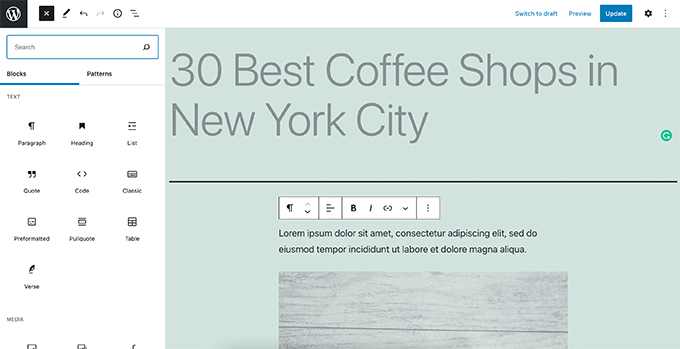
The block editor is intuitive, like development with virtual Lego bricks. You’ll simply drag and drop other content material blocks to create pages with out coding.
And getting began is tremendous simple. Maximum internet hosts, like Bluehost (my private favourite), be offering one-click WordPress installs.
That implies you’ll be able to actually have a web site up and working in mins. WPBeginner readers get a different cut price, so you’ll be able to get began for simply $1.99 monthly.
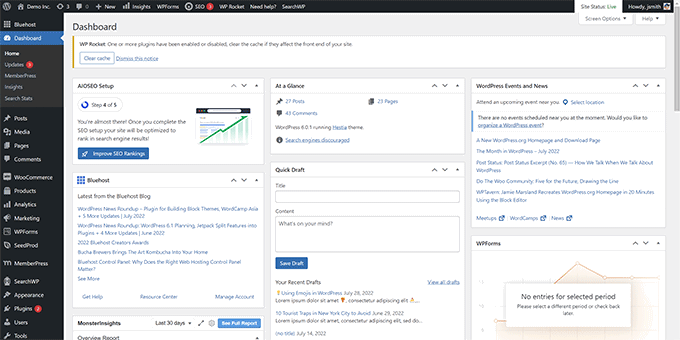
After WordPress is put in, you’ll have the ability to get admission to the admin dashboard. From right here, you’ll be able to customise your website’s design, upload new pages, and arrange your content material. It’s very simple.
For main points, see our information on create a WordPress web site.
Django CMS: For Builders and Code-Savvy Customers
Django is constructed for builders who love the versatility and keep watch over of coding. However when you’re a amateur or choose a no-code means, it’s going to really feel overwhelming.
You’ll wish to understand how to code in Python and be aware of internet construction ideas to make use of Django CMS successfully. I’ve talked to pals who attempted to make use of Django CMS with out coding revel in, and it regularly ends up in frustration.
Even easy duties, like converting your web site’s theme or including a touch shape, regularly require coding or running with Django’s templating device.
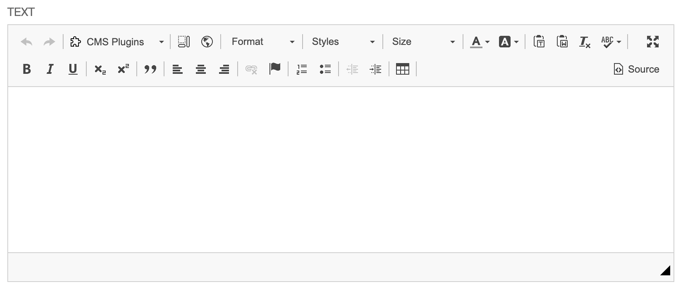
Django CMS’s content material editor is reasonably simple, very similar to WordPress’s older vintage editor.
It allows you to paintings with formatted textual content, however now not create advanced layouts just like the more moderen WordPress block editor.
However maximum customization occurs at the back of the scenes in code. This is a steep finding out curve for non-developers.
Right here’s a handy guide a rough evaluation of what makes Django CMS much less user-friendly for non-developers:
- Set up and setup require technical wisdom of server management and command-line gear, similar to SSH and digital environments.
- Theme customization comes to modifying HTML, CSS, and Django templates, which calls for familiarity with Django’s templating language.
- Plugin control regularly calls for putting in and configuring Python programs.
- Whilst the content material editor is modest, managing content material buildings and complex options regularly calls for coding.
All that mentioned, you probably have a robust technical background, all of this will sound very best.
🏅 Winner for Ease of Use – WordPress
For non-programmers, WordPress is the transparent winner. It’s intuitive, user-friendly, and full of options that make development a web site a breeze.
Django CMS, whilst robust, is easiest left to the builders. For those who’re searching for a handy guide a rough and simple solution to get on-line, WordPress is your easiest wager.
Customization Choices: Making Your Website online Your Personal
Customization choices are very important for growing a singular and practical web site. So, how do WordPress and Django CMS examine on the subject of customization?
WordPress: Customization Made Simple
WordPress is legendary for its flexibility. I’ve constructed numerous web pages the usage of the CMS, and I’m all the time amazed via how a lot you’ll be able to alternate with out writing a unmarried line of code. The name of the game is the massive collection of issues and plugins.
Topics turn out to be your web site’s look with only some clicks. 1000’s of loose and top class issues imply you’re certain to search out one thing that completely fits your taste.
In search of suggestions? Listed here are a few of my favourite issues.
If you wish to have extra customization choices, maximum issues be offering integrated choices to modify colours, fonts, and layouts without difficulty.
For complex choices, the theme customizer or including tradition CSS opens up a global of chances.
Then there are plugins, which might be like apps in your web site. They upload all types of capability, from touch paperwork and on-line retail outlets to search engine marketing gear and safety improvements.
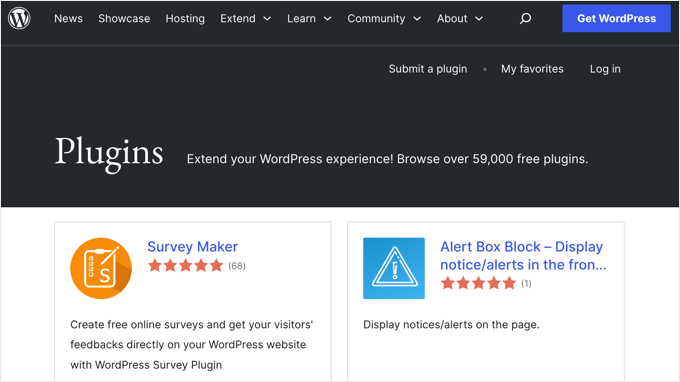
With over 59,000 loose plugins within the WordPress plugin listing and numerous top class plugins, the chances are just about unending. Simply see my select of the most productive WordPress plugins for all web pages to get an concept of what they are able to do.
Django CMS: Customization for Coders
Django CMS takes a distinct solution to customization. As an alternative of the usage of visible interfaces and drag-and-drop developers, you customise your web site the usage of code.
For those who’re a Python developer, this will sound best possible. You’ll construct just about anything else you’ll be able to believe in your precise specs. Whilst it calls for extra construction time prematurely, the extent of customization you acquire can best be completed the usage of code.
Options like tradition product shows, advanced filtering choices, and distinctive checkout processes are all conceivable due to Django’s code-centric means.
Right here’s a glimpse into Django CMS’s customization choices:
- Pre-built issues can be utilized as beginning issues for tradition construction. However maximum Django CMS tasks contain development a tradition theme from scratch.
- Django apps lengthen capability like WordPress plugins. Then again, putting in and configuring them calls for some coding wisdom, and the choice isn’t as in depth because the WordPress Plugin Listing.
- Django’s templating device supplies keep watch over over your web site’s HTML construction and content material presentation.
- Django CMS integrates with different programs via APIs, permitting you to attach your web site with CRM device, advertising automation gear, and extra.
For those who’re now not a developer, you’ll wish to rent one to customise your Django CMS web site. Whilst this provides to the price, it additionally will give you extra keep watch over over customization.
🏅 Winner for Customization Choices – WordPress
If you wish to have simple, no-code customization, WordPress is the transparent winner. Its large library of issues and plugins makes it easy to create a singular web site with out touching any code.
Django CMS gives final flexibility for builders, nevertheless it comes at the price of greater complexity.
Content material Control: Protecting Your Content material Arranged
Efficient content material control is very important for web pages with common updates. You want a CMS that makes it simple to create, arrange, and arrange all that content material.
So, how do WordPress and Django CMS examine on this division?
WordPress: Content material Control Powerhouse
WordPress started its adventure as a running a blog device, and content material control stays one in every of its largest strengths. From private blogs to in depth content material hubs, WordPress excels due to its flexibility and user-friendliness.
Writing and modifying content material in WordPress is a breeze. The block editor is amazingly simple, permitting you so as to add textual content, photographs, and movies with easy drag-and-drop movements.
You’ll staff your posts in combination in numerous tactics the usage of classes and tags. You’ll recall to mind classes as the primary sections of my web site, and tags as an in depth index.
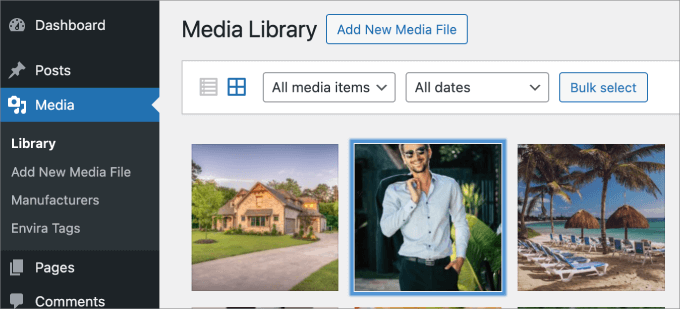
WordPress additionally has a integrated media library that makes managing photographs and movies tremendous simple. You’ll add, arrange, and insert media into your content material with only some clicks.
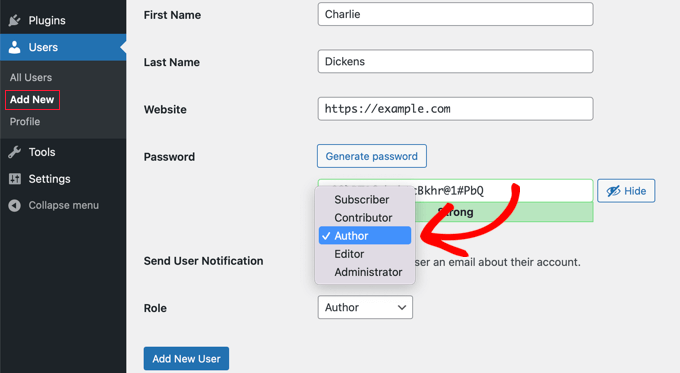
And when you’re running with a workforce, WordPress’s person position control is very useful. You’ll assign other roles (administrator, editor, writer, and extra) with explicit permissions.
This makes positive that everybody has the get admission to they want with out risking unintentional deletions or undesirable adjustments.
Want much more content material control options? No issue! WordPress has hundreds of plugins that may upload the whole lot from tradition content material sorts to complex search engine marketing gear.
Django CMS: Content material Control for Builders
Django CMS gives a fundamental interface for growing and modifying content material. But it surely lacks the intuitive user-friendliness of WordPress. I’ve discovered that even easy duties, similar to growing pages or managing menus, can now and again require technical wisdom.
And whilst Django CMS does be offering person roles and permissions, configuring them is regularly extra advanced than in WordPress. Customizing roles or growing new ones usually comes to coding or running with Django’s admin interface, which is usually a hurdle for non-developers.
As an example, believe you want to create tradition person roles with explicit permissions. In WordPress, this might be simple. In the meantime, in Django CMS, it calls for writing tradition code.
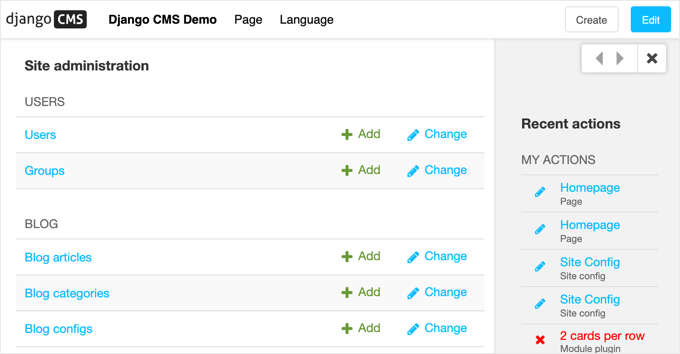
Right here’s a better take a look at Django CMS’s content material control options:
- You’ll create and arrange pages inside of a hierarchical construction. Then again, customizing web page templates and including complex options regularly calls for coding.
- Including a navigation menu is straightforward, however advanced menu buildings or dynamic menus may require tradition construction.
- Managing person get admission to and functions is conceivable, however customization regularly comes to code.
- You’ll observe content material adjustments and revert to earlier variations of your content material.
- Django CMS gives multilingual functions, however configuring a couple of languages may also be advanced.
Whilst Django CMS gives robust content material control gear, its developer-centric means may also be difficult for non-technical customers.
🏅 Winner for Content material Control – WordPress
For many customers, particularly the ones with no technical background, WordPress is the transparent winner for content material control. It gives a user-friendly interface, robust options, and an enormous ecosystem of plugins for content material introduction, group, and control.
Django CMS is extra versatile for builders, nevertheless it comes at the price of greater complexity.
eCommerce: Promoting On-line
Promoting on-line calls for a complete eCommerce platform. Let’s examine WordPress and Django’s on-line retailer functions.
WordPress: Nice for Promoting On-line
WordPress doesn’t have eCommerce options out of the field. However you’ll be able to temporarily arrange an internet retailer with the assistance of plugins like WooCommerce. I’ve used WooCommerce so much for my very own tasks, and I discovered it to be very robust and simple to make use of.
After putting in WooCommerce, it guides you during the setup. Then, you’ll be able to upload merchandise, arrange fee strategies (like Stripe or PayPal), and come to a decision send issues proper from the acquainted WordPress dashboard.
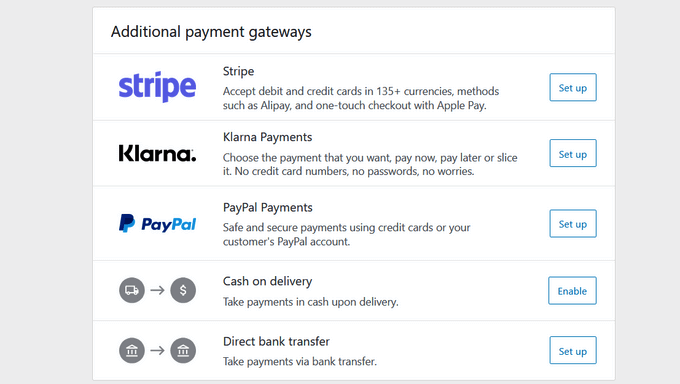
You’ll simply customise WooCommerce the usage of plugins and issues designed in particular for on-line retail outlets. There are plugins to be had for detailed delivery prices, managing subscriptions, or even adjusting costs consistent with explicit regulations.
If you want a more practical solution to promote on-line, particularly for virtual pieces or products and services, I’d additionally counsel having a look at Simple Virtual Downloads (EDD).
For more info, simply see our information on get started an internet retailer.
Django: Construction a Customized On-line Retailer
Django additionally doesn’t have eCommerce options in-built. Then again, its energy and versatility will let you construct the precise on-line retailer you wish to have, piece via piece.
This means will give you general keep watch over over the whole lot on your retailer. You keep watch over how information is saved, how the website operates at the back of the scenes, what customers see, and the way it integrates with different products and services. It’s nice for making distinctive on-line retail outlets with tradition options.
Whilst you’ll be able to construct an eCommerce website totally from scratch the usage of Django, there are a number of gear and frameworks that allow you to construct sooner:
- Oscar Trade is a suite of open-source gear for making eCommerce websites with Django. It supplies a basis for options similar to product lists, buying groceries carts, checkout pages, and order control.
- Saleor began as a Django program however has grown into a formidable, headless eCommerce platform. It might probably construct fashionable on-line retail outlets with separate entrance ends and backends.
There also are more practical gear and libraries when you best want sure eCommerce options.
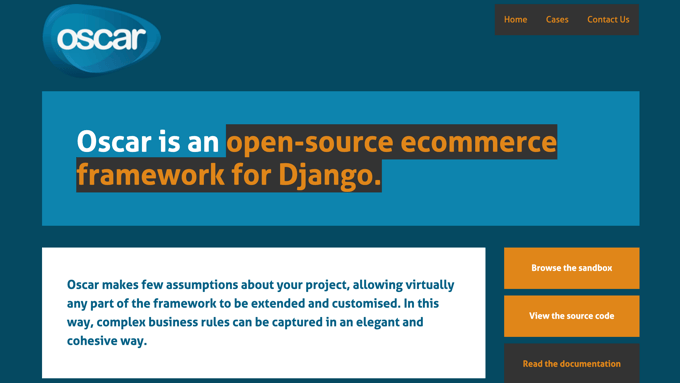
Construction a tradition retailer with Django calls for coding wisdom. It’s a just right are compatible for companies with advanced wishes, nevertheless it’s now not an acceptable selection for novices.
🏅 Winner for eCommerce – WordPress
Generally, WordPress wins within the eCommerce class.
That’s as a result of you’ll be able to simply flip WordPress into an eCommerce platform via putting in an eCommerce plugin like WooCommerce or Simple Virtual Downloads. You’ll temporarily get began promoting on-line at an reasonably priced worth, and the massive WordPress group method it’s simple to search out lend a hand and knowledge.
Django is also higher for development tradition on-line retail outlets the place you want complete keep watch over over each and every small element and feature a big finances. As an example, your builders may just construct a device with advanced billing regulations and sensible tactics to indicate merchandise for explicit consumers.
That mentioned, you’ll be able to nonetheless get complex eCommerce capability with WordPress so long as you’ve got the suitable gear. As an example, you’ll be able to upload wholesale options the usage of Wholesale Suite or create tradition eCommerce automations with Uncanny Automator.
Efficiency: Velocity Issues
Website online functionality is an important for person revel in, seek engine ratings, and your base line. So, let’s see how WordPress and Django CMS examine.
WordPress: Efficiency Calls for Optimization
WordPress is amazingly well-liked, and out of the field, it’s typically rapid sufficient for many small web pages. However as your website grows, with extra content material, plugins, and fancy options, issues can begin to decelerate.
I’ve observed this occur with pals’ web pages. One of the most largest reasons of that is poorly coded issues and plugins. That’s why it’s vital to make a choice the easiest WordPress theme and the suitable WordPress plugin.
And talking of gear, a caching plugin is very important for any WordPress website. Caching works via taking a ‘snapshot’ of your internet pages and storing them briefly, as an alternative of producing them from scratch each and every time a customer arrives.
This considerably reduces server load and accelerates your website. I in my opinion suggest WP Rocket for its user-friendly interface and robust optimization options.
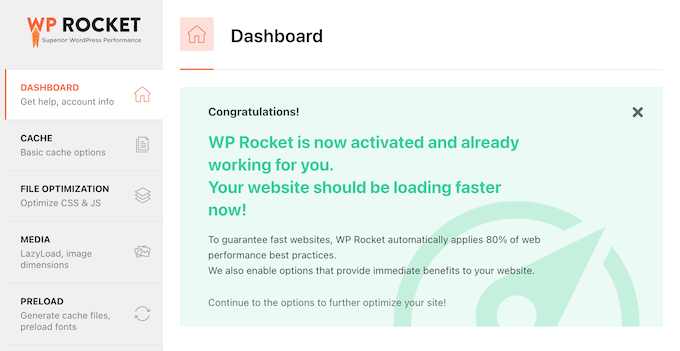
We used it for a very long time right here at WPBeginner and had a perfect revel in with it. You’ll see our complete WP Rocket assessment for more info.
General, WordPress may also be extremely rapid with correct optimization. We’ve even put in combination a complete information that will help you spice up your WordPress website’s pace and function.
Django CMS: Constructed for Velocity
Django CMS is constructed at the high-performance Django framework, which is designed for pace and potency from the bottom up.
As a result of options and customizations are constructed with code, there’s much less reliance on plugins or extensions that might upload bloat and decelerate a web site.
Django’s environment friendly structure and the streamlined, custom-coded nature of the website may end up in higher functionality, decrease web page load occasions, and the power to take care of upper site visitors volumes.
But it surely’s vital to keep in mind that even with Django CMS, poorly written code can negatively affect functionality. For those who’re now not an skilled Django developer, you must rent one to ensure your website is optimized for pace and potency.
Past simply being rapid, Django may be extremely scalable. This implies a Django CMS website can simply develop with your online business, dealing with a big building up in site visitors, content material, and lines with no vital drop in functionality.
🏅 Winner for Efficiency – Django CMS
Out of the field, Django CMS typically outperforms WordPress on the subject of pace and potency (so long as you’re the usage of environment friendly coding practices). Then again, with correct optimization, WordPress too can reach very good functionality.
For those who’re keen to position within the effort (or rent somebody who’s), then WordPress can take care of even high-traffic occasions. But when pace is your best precedence and you have got the technical experience, Django CMS could be a better option.
Safety: Protecting Your Website online Secure
Safety breaches can devastate a web site. They may be able to lead to misplaced information, annoyed customers, and a broken popularity.
So, let’s discuss how WordPress and Django CMS examine relating to maintaining your website protected.
WordPress Safety: Staying Forward of the Threats
With the suitable precautions, WordPress may also be extremely protected. I’ve used it for years on numerous websites, and I’ve realized a couple of methods alongside the way in which.
To begin with, it’s easiest to stay the whole lot up to date. The WordPress core device is frequently patched for safety vulnerabilities, so the ones updates are your first defensive line.
I all the time suggest putting in place automated updates on every occasion conceivable as it’s one much less factor to fret about.
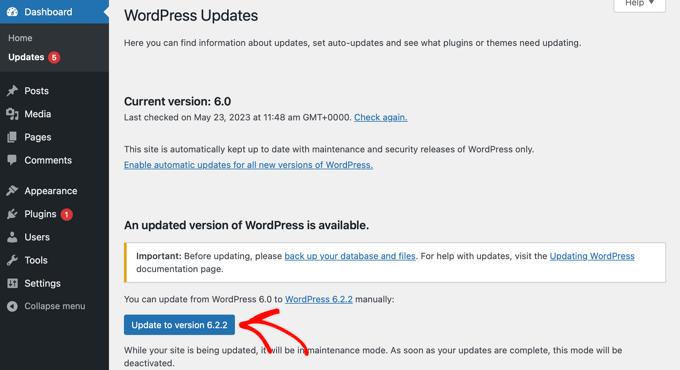
Subsequent, you’ll need to be choosy about your issues and plugins. Identical to I wouldn’t set up device from a suspicious web site on my pc, I’m cautious about what I upload to my WordPress websites.
It’s easiest to keep on with respected assets just like the legitimate WordPress listing and well known builders. And consider, you’ll wish to stay the ones plugins and issues up to date, too. Updates regularly repair safety vulnerabilities that may be used to hack your web site.
On best of following those easiest practices, I additionally suggest the usage of a safety plugin. This device will usually be offering malware scanning, firewall coverage, and extra.
For extra on maintaining your WordPress web site protected, see our final WordPress safety information.
Django CMS Safety: A Cast Basis
Django CMS makes use of the Django framework’s robust safety basis proper out of the field. It is a main merit for builders who need to prioritize safety from the bottom up.
As an example, when customers post content material on a Django website, the device robotically cleans it up. This prevents a commonplace form of assault known as XSS (Move-Web site Scripting), the place malicious code tries to sneak onto your website via person enter.
Additionally, for each and every shape you fill out on a Django website, there’s a distinctive, invisible safety token hooked up to it. This makes it a lot harder for attackers to hijack your consultation or trick you into doing one thing accidental.

That mentioned, Django calls for a large number of the similar safety easiest practices as WordPress (or every other CMS), similar to common updates, robust passwords, and two-factor authentication.
Protected coding practices and correct configuration also are vital, particularly when coping with delicate information.
For those who’re now not a developer, you’ll wish to rent a Django professional to ensure your website is configured securely, and you will want them to run common safety audits.
🏅 Winner for Safety – Django CMS
Django CMS is extra protected out of the field, due to the framework’s integrated protections. Then again, with correct precautions, like common updates, cautious plugin variety, and a cast safety plugin, WordPress can be very protected.
In the long run, the protection of any web site is dependent upon your diligence and the stairs you are taking to offer protection to it, irrespective of the platform you select.
Neighborhood and Toughen
A supportive group and readily to be had assets are very important when development a web site. Let’s see how WordPress and Django CMS examine for group and make stronger.
WordPress: A International Neighborhood at Your Fingertips
WordPress is the most well liked web site builder and has an enormous, international group of customers, builders, and architects.
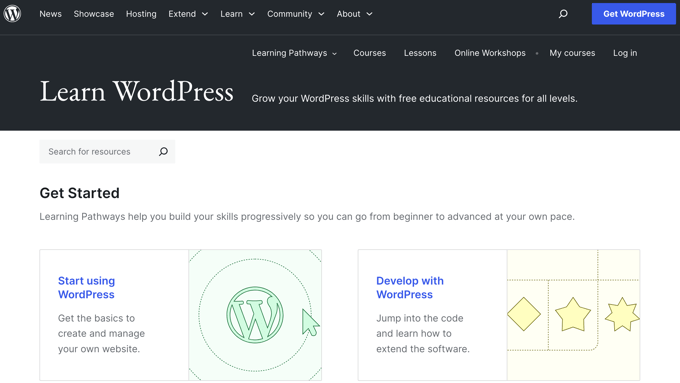
Whether or not you’re caught on a coding issue, want lend a hand opting for a plugin, or simply need some basic recommendation, there’s all the time somebody keen to lend a hand. And there are many useful WordPress assets, together with Get Began paperwork, classes, workshops, and classes.
You’ll to find solutions to just about any query you’ll be able to believe. You’ll be informed extra at the legitimate Be told WordPress and Make WordPress pages.
And right here at WPBeginner, we provide many alternative tutorials like this one, a e-newsletter, loose video tutorials, the WPBeginner Have interaction Fb Staff, a YouTube channel, and extra.
Learn to take advantage of out of WPBeginner’s loose assets on this information.
Django CMS: A Smaller, Extra Targeted Neighborhood
Django CMS has a smaller, extra area of interest group in comparison to WordPress. This smaller group method you’re interacting with a extremely professional and devoted staff of people who are keen to proportion their experience.
Then again, the smaller group does imply fewer readily to be had assets. You’ll to find much less documentation, fewer on-line tutorials, and a smaller collection of pre-built issues and plugins.
It will make it more difficult to search out answers to commonplace issues. You may have to depend extra by yourself problem-solving talents or succeed in out immediately to the group for help.
The Django CMS group is energetic on platforms like Stack Overflow and specialised boards. Whilst it will take a little bit extra effort to search out solutions, the standard of make stronger is regularly very excessive. You’re much more likely to get in-depth technical the aid of skilled builders.
Listed here are some key variations in group make stronger:
- Whilst Django CMS has legitimate documentation, it’s regularly extra technical and assumes a better stage of coding wisdom in comparison to WordPress’s user-friendly documentation.
- The Django CMS group is energetic on quite a lot of platforms, however the total dimension and process stage are considerably less than WordPress’s large on-line presence.
- A smaller collection of readily to be had issues and plugins method you’ll most probably wish to make investments extra time in tradition construction or looking for appropriate third-party answers.
For those who’re pleased with unbiased finding out and problem-solving, the smaller Django CMS group will not be a significant downside. Then again, it doesn’t examine to WordPress’s huge and energetic group, which gives readily to be had assets.
🏅 Winner for Neighborhood and Toughen – WordPress
For many customers, WordPress gives higher make stronger because of its huge, energetic group and readily to be had assets.
Then again, builders will admire Django’s smaller, extra targeted group, despite the fact that it calls for extra unbiased problem-solving.
Price: Which CMS Is Extra Inexpensive?
WordPress and Django vary considerably of their total price. I’ll come up with some real-world examples so you’ll be able to get a greater thought of what to anticipate.
WordPress: Budgeting for Your Web site
WordPress itself is loose, however you’ll want internet website hosting and a site title (round $10-20 in step with yr). Internet website hosting is the place your web site is saved, and a site title is your website’s deal with.
Web hosting prices can vary from a couple of greenbacks a month for fundamental shared website hosting (best possible for novices) to loads and even hundreds for high-performance controlled website hosting (very best for higher websites with a lot of site visitors).
Let me come up with a couple of examples of what to anticipate:
- 💵 Fundamental Weblog: $50-150 in step with yr (website hosting, area, a easy theme)
- 💸 Small Industry Website online: $100-500 in step with yr (website hosting, area, a quite extra complex theme, a couple of top class plugins)
- 💰 eCommerce Retailer: $ 500-2,000+ in step with yr (website hosting, area, a top class WooCommerce theme, a number of specialised plugins, doubtlessly some tradition construction)
I’ve used each shared and controlled website hosting, and your best option in reality is dependent upon your explicit wishes.
As an example, when WPBeginner used to be introduced, we first used shared website hosting to stay prices low. Because the website grew, we switched to controlled website hosting for higher functionality and safety.
Whilst there are lots of very good loose issues and plugins to be had, top class choices can considerably toughen your website’s capability and design.
I regularly suggest top class plugins for options like complex search engine marketing or eCommerce capability. Those may also be one-time purchases or ongoing subscriptions. Both means, you’ll wish to ingredient the ones into your finances.
In spite of everything, if you want tradition construction paintings, you could wish to rent a developer or dressmaker. It will upload to the full price, nevertheless it’s regularly definitely worth the funding for a really distinctive and practical web site.
For extra main points, see our information on how a lot it in reality prices to construct a WordPress web site.
Django CMS: Factoring in Construction Prices
Like WordPress, Django CMS is loose. However as it’s extra developer-focused, the full price is most often upper.
You’ll nonetheless want website hosting and a site title, however you’ll most probably want extra robust (and costlier) website hosting choices like VPS or cloud website hosting to take care of Django’s necessities.
I’ve discovered that it is a vital distinction in ongoing bills in comparison to fundamental WordPress website hosting. Be expecting to pay $50-200+ monthly for appropriate website hosting.
Probably the most vital price distinction, on the other hand, usually comes from construction. Django CMS virtually all the time calls for a developer for setup, customization, theme introduction, and upkeep.
I’ve observed tasks vary from a couple of thousand greenbacks for a fundamental setup to tens of hundreds for advanced, custom-built programs. Whilst you’ll save on top class issues and plugins (Django customization is completed via code), developer charges are a considerable a part of your finances.
As an example, a easy Django CMS web site may just price $3,000-$8,000 in preliminary construction prices, whilst a posh internet software may just simply exceed $20,000.
🏅 Winner for Affordability: WordPress (Normally)
WordPress is extra reasonably priced for many customers, particularly the ones beginning with a smaller finances. I’ve helped a large number of other other people release web pages on a decent finances the usage of WordPress. The decrease website hosting prices and loose issues and plugins make it a perfect selection for buying began.
Then again, for some advanced tradition tasks, Django could be a greater long-term funding, regardless of the upper prematurely construction prices.
The Verdict: Opting for the Proper CMS for Your Wishes
For many customers, particularly those that choose to not paintings with code, WordPress is the transparent winner. Launching web pages with WordPress is straightforward, even for other people with restricted technical talents. It’s fast to arrange, simple to make use of, and extremely flexible due to the huge library of issues and plugins.
If you wish to have a user-friendly solution to create and arrange content material, WordPress is difficult to overcome. It’s like having a trusty toolbox full of all of the gear you want to construct absolutely anything.
Then again, when you’re tackling a posh mission that calls for severe customization, excessive scalability, and powerful safety proper out of the field, then Django CMS could be a better option.
That will help you make the suitable determination, right here’s a desk summarizing the everyday customers and number one use instances every platform is designed for:
| Who It’s For | WordPress | Django CMS |
|---|---|---|
| Standard Customers | Bloggers, small companies, content material creators, non-developers | Builders, huge enterprises, startups desiring tradition answers |
| Number one Use Circumstances | Blogs, portfolios, easy trade web pages, eCommerce retail outlets (with plugins) | Complicated internet programs, tradition CRMs, data-driven websites, extremely scalable platforms |
I all the time suggest sparsely making an allowance for your priorities, technical talents, and finances ahead of you make a decision.
Professional Tip: Need a wonderful WordPress web site with out all of the trouble? Our workforce gives reasonably priced WordPress Website online Design Services and products, together with:
- A devoted mission supervisor
- A couple of revisions
- Design products and services for blogs, eCommerce retail outlets, and extra
Costs get started at simply $799 for a brand new web site. Take a look at our Design Services and products web page for more info!
FAQs About WordPress vs. Django CMS
Now that you’ve learn our comparability of WordPress vs. Django CMS, you should still have some questions. Listed here are some temporary solutions to steadily requested questions.
Is WordPress or Django more uncomplicated for novices?
WordPress is way more uncomplicated to make use of for novices and customers with out coding revel in. It has a user-friendly interface, one-click set up, and a big library of issues and plugins. This makes it fast to arrange and arrange content material.
Is Django CMS just right?
Sure, Django CMS is regarded as a just right content material control device. It’s a robust selection for advanced tasks the place an ordinary, off-the-shelf content material control device (CMS) could be too restricting. Then again, maximum customers will to find WordPress a better option for his or her weblog or web site.
Which is best for content material, WordPress or Django CMS?
I choose WordPress for content-focused web pages. Its core design and editor are constructed for usability, and increasing content material sorts is modest the usage of issues and plugins.
Django CMS supplies an modifying interface, however setup and customization require coding experience.
Do I want coding talents to make use of WordPress or Django?
You’ll construct practical web pages with WordPress with out coding talents, due to its user-friendly dashboard and in depth plugin ecosystem. Then again, you’ll be able to make a choice to rent a developer if you want in depth customization.
Django, then again, essentially calls for coding talents for construction, setup, and customization.
Is WordPress or Django extra customizable?
WordPress supplies in depth customization for non-developers via issues for look adjustments and plugins for including options. Django gives customization on the code stage because of its nature as a framework.
Which platform is extra protected, WordPress or Django?
Django CMS is regularly thought to be to have a more potent integrated safety basis. Then again, when you stay its core, issues, and plugins up to the moment, then WordPress can be very protected, particularly whilst you use a credible safety plugin.
Is WordPress sooner than Django?
Django CMS is designed for pace and has a functionality merit, in particular for advanced and high-traffic web pages. Then again, when you spend time optimizing WordPress, its functionality can be very good.
Which is extra reasonably priced, WordPress or Django?
WordPress is usually a extra reasonably priced choice for buying began, particularly for fundamental web pages. There are lots of loose issues and plugins, and fundamental website hosting may also be reasonably priced. Then again, prices for top class issues, plugins, and construction lend a hand can upload up.
Django tasks usually require developer involvement from the beginning, which may end up in upper prematurely prices. However for advanced tasks, it is a profitable funding for long-term scalability and maintainability.
Are there a large number of assets for Django?
WordPress has a miles higher group and extra assets, together with documentation, tutorials, and to be had builders.
Django CMS has a smaller however energetic and developer-focused group. There are assets, however nowhere close to as many as for WordPress.
When must I make a choice WordPress vs. Django CMS?
I like to recommend opting for WordPress if you want a user-friendly CMS for blogs, small trade web pages, or content-focused websites the place ease of use is vital.
You could need to go for Django CMS if you’re development advanced web pages, internet programs with content material control wishes, or tasks requiring excessive ranges of customization, scalability, and safety.
Bonus Assets: Website online Construction & Content material Control
I am hoping this educational helped you examine WordPress vs. Django and their professionals and cons.
You may additionally need to see any other useful assets now we have at WPBeginner:
For those who preferred this newsletter, then please subscribe to our YouTube Channel for WordPress video tutorials. You’ll additionally to find us on Twitter and Fb.
WPBeginner Highlight 27: WordPress 7.1, WPVibe AI All over, and a New Option to Report Your Display

WordPress.com Changelog: A New Web hosting Dashboard, a ChatGPT Plugin, and WordPress 7.1
August 14 – 27, 2026 Welcome again to the WordPr ...
30 Aug, 2026 7 Person Liked it

Your WordPress.com Website Now Works from Within ChatGPT
You'll now set up your WordPress.com web page from Ch ...
27 Aug, 2026 6 Person Liked it
Offer Ends Tonight 12 PM
Lifetime Membership with Unlimited Access